Visual Clarity (2)
A couple of months ago, I wrote a piece entitled “Visual Clarity”. This was using the word of the Lightroom (and other image processing software platforms) tool “Clarity” in combination with examining the normal English word, it's usage, and exploring how and where the two intersected.
It was obviously playing in my subconscious since then, as one of the questions I asked in that piece was “how can we - with clarity - communicate complexities through our images?”
Perhaps the answer lies not in simplifying complexity, but in helping people see it.
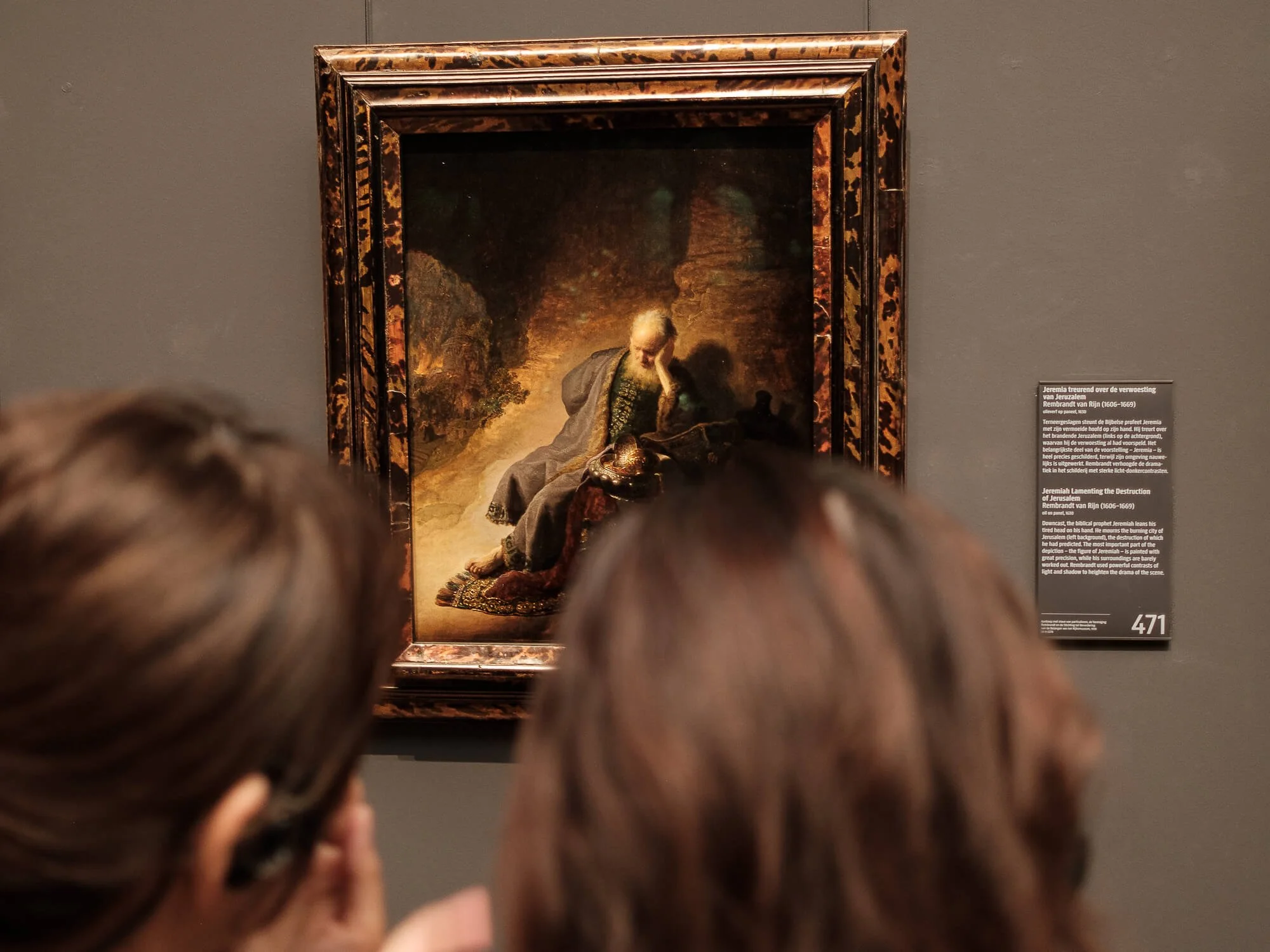
Rembrandt’s painting Jeremiah Lamenting the Destruction of Jerusalem
I was reminded of this when I went to see Rembrandt’s painting Jeremiah Lamenting the Destruction of Jerusalem in the Rijksmuseum, Amsterdam a few weeks ago. It is a scene of devastation — a prophet sitting among the ruins, surrounded by the remains of a city that has fallen. At first glance, it is a painting about loss. But look closer and something else begins to emerge.
Rembrandt doesn’t just show destruction. He shows reflection. He shows emotion. He shows the weight of history, the human response to uncertainty, and the quiet moment after something significant has changed.
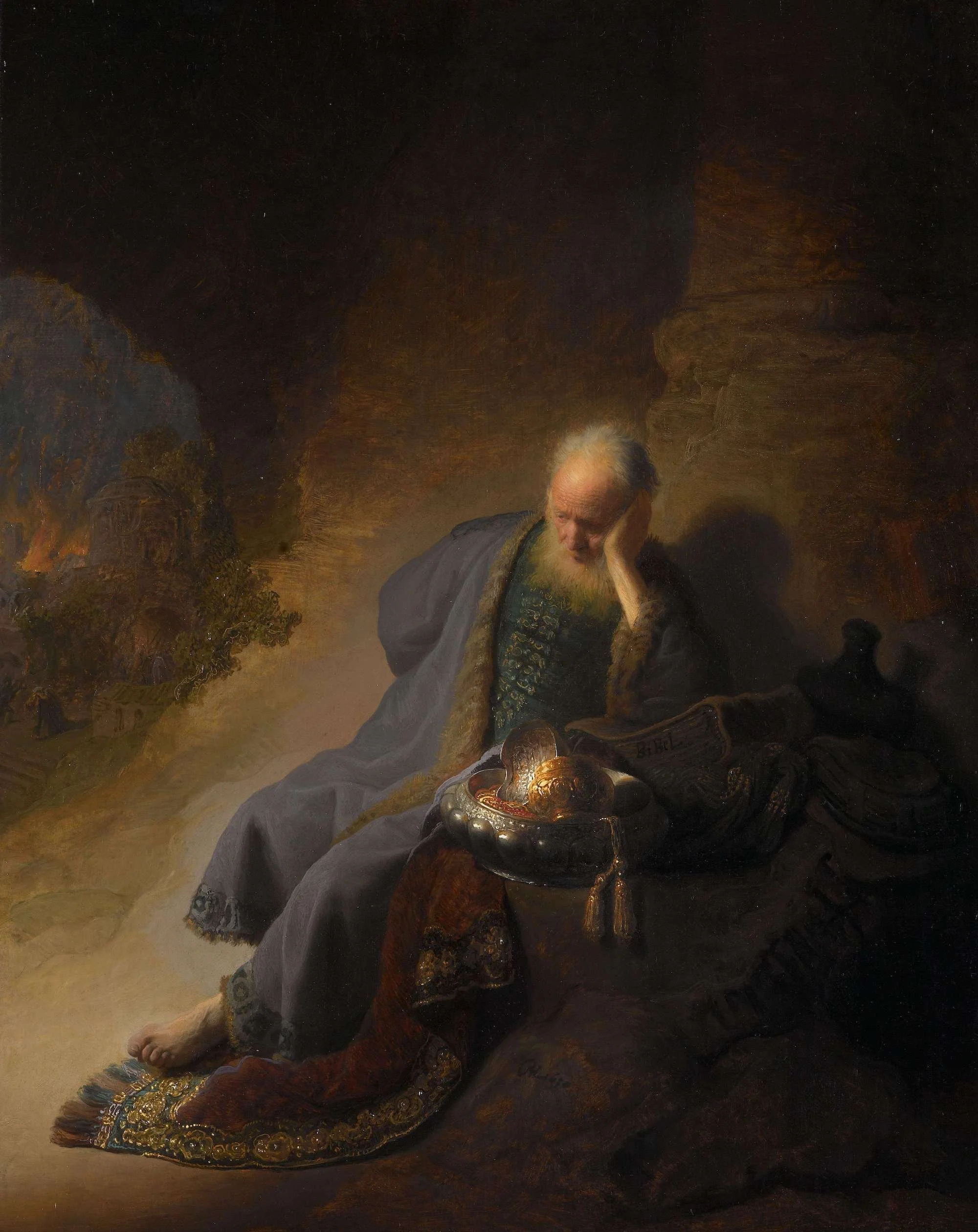
The painting has clarity — not because every detail is immediately obvious, but because the image guides us towards understanding.
And perhaps this is where photography has such a powerful role.
We often think of photography as a way of recording what is in front of us. A moment captured. A scene documented. But the strongest images do something more. They bring order to what can feel chaotic. They help us find patterns in complexity. They create a space where we can pause, look, and begin to understand.
A photograph can take a complicated environment — a busy street, a changing landscape, a challenging human situation, a moment of transition — and distil it into something we can connect with.
Not by removing the complexity, but by revealing the story within it.
This is where creativity and clarity meet.
The photographer is not simply collecting images. They are making decisions: what to include, what to leave out, where to stand, when to press the shutter. These choices create a visual language. They shape how we see and, ultimately, how we understand.
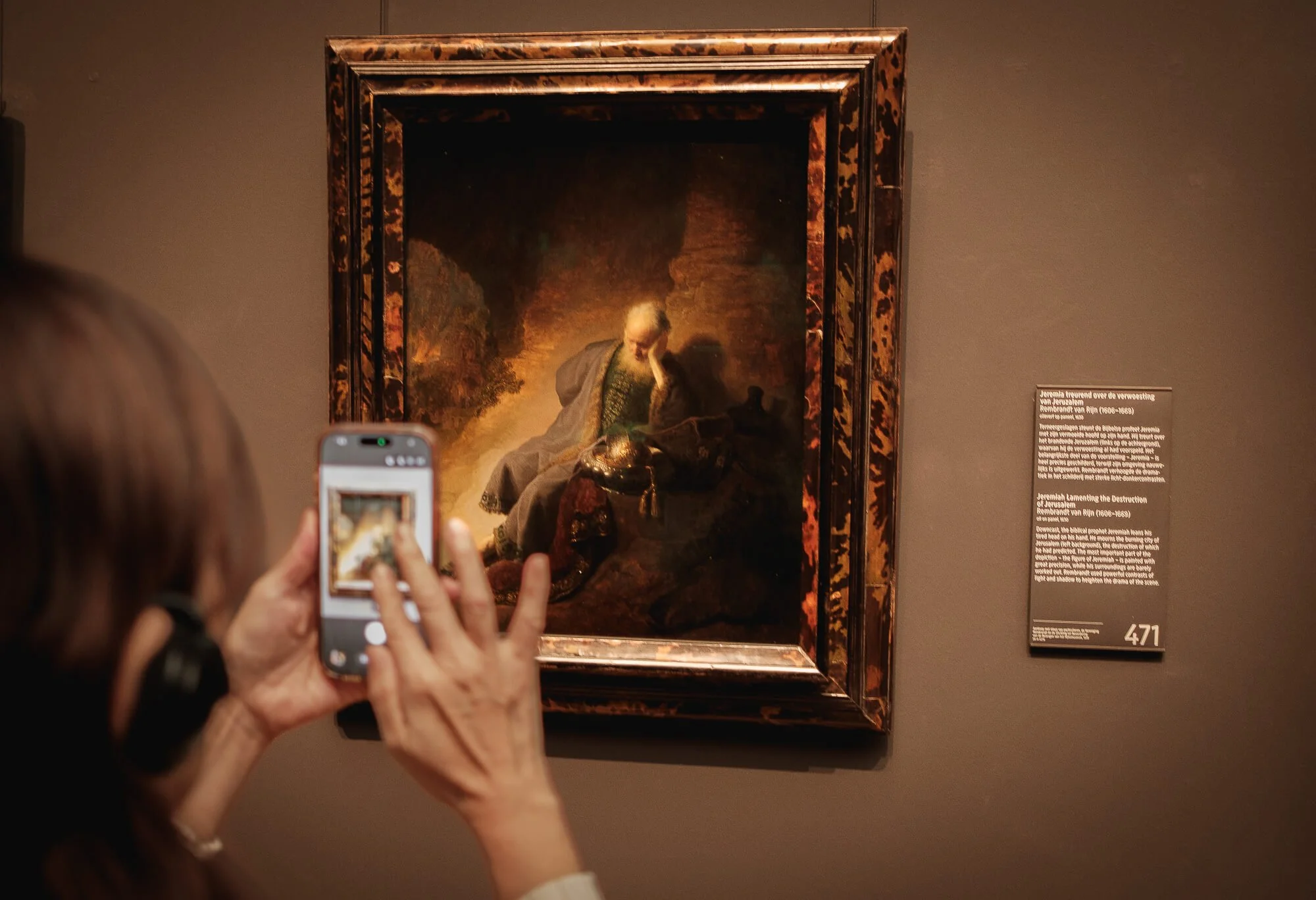
In many ways, the process of creating an image is similar to finding clarity in life itself. We are constantly surrounded by noise, information, and competing perspectives. The challenge is finding the elements that matter — the details that reveal something deeper.
Photography can become a tool for this exploration.
It can bring order to complexity.
It can provide insight where there is uncertainty.
It can create new ways of seeing.
And maybe this is the connection between the digital tool of “Clarity” and the human meaning of clarity.
One adjusts contrast, texture and definition within an image.
The other helps us see meaning.
Both are about revealing something that was already there.
The question I asked in my previous piece still feels relevant: “How can we — with clarity — communicate complexities through our images?”
Perhaps the answer is that clarity is not about making things simple.
It is about making things visible.